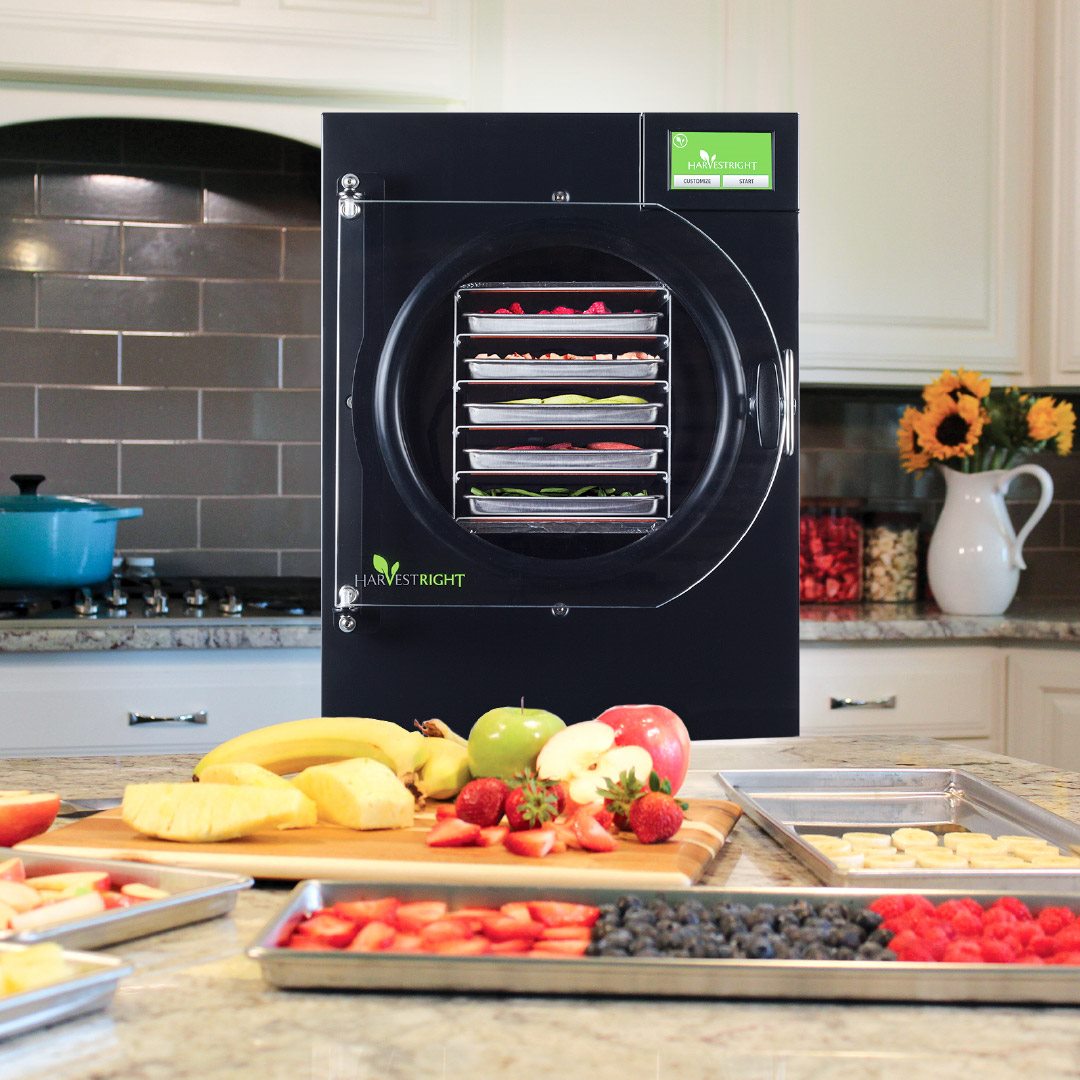
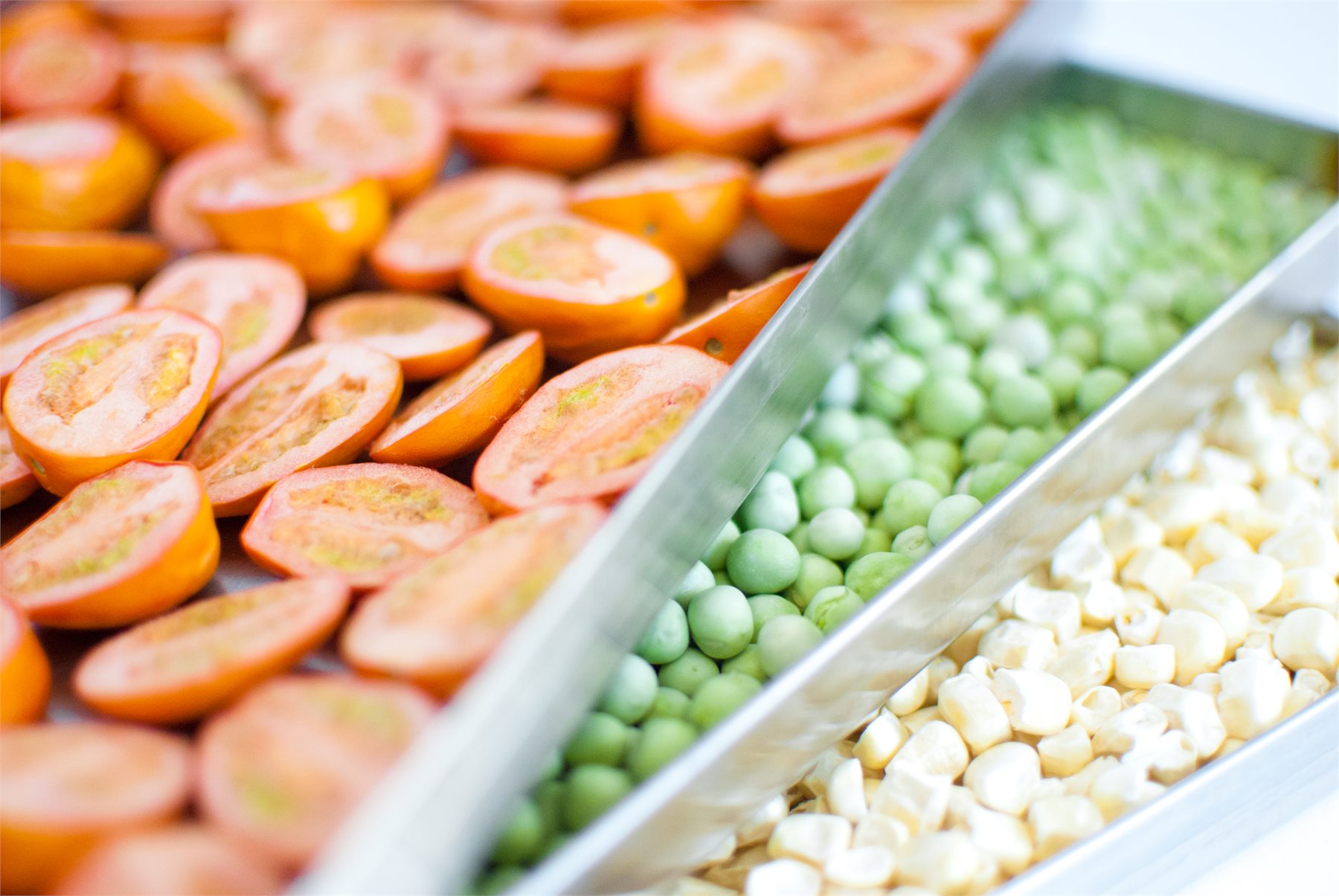
Familiar complete meals
Store tested meals the household already knows how to prepare and eat.

Preparedness can be practical rather than fear-driven. Start with familiar meals and ingredients, add a few repeatable batches at a time, and include checking, packaging and rotation in the plan.
Practical possibilities
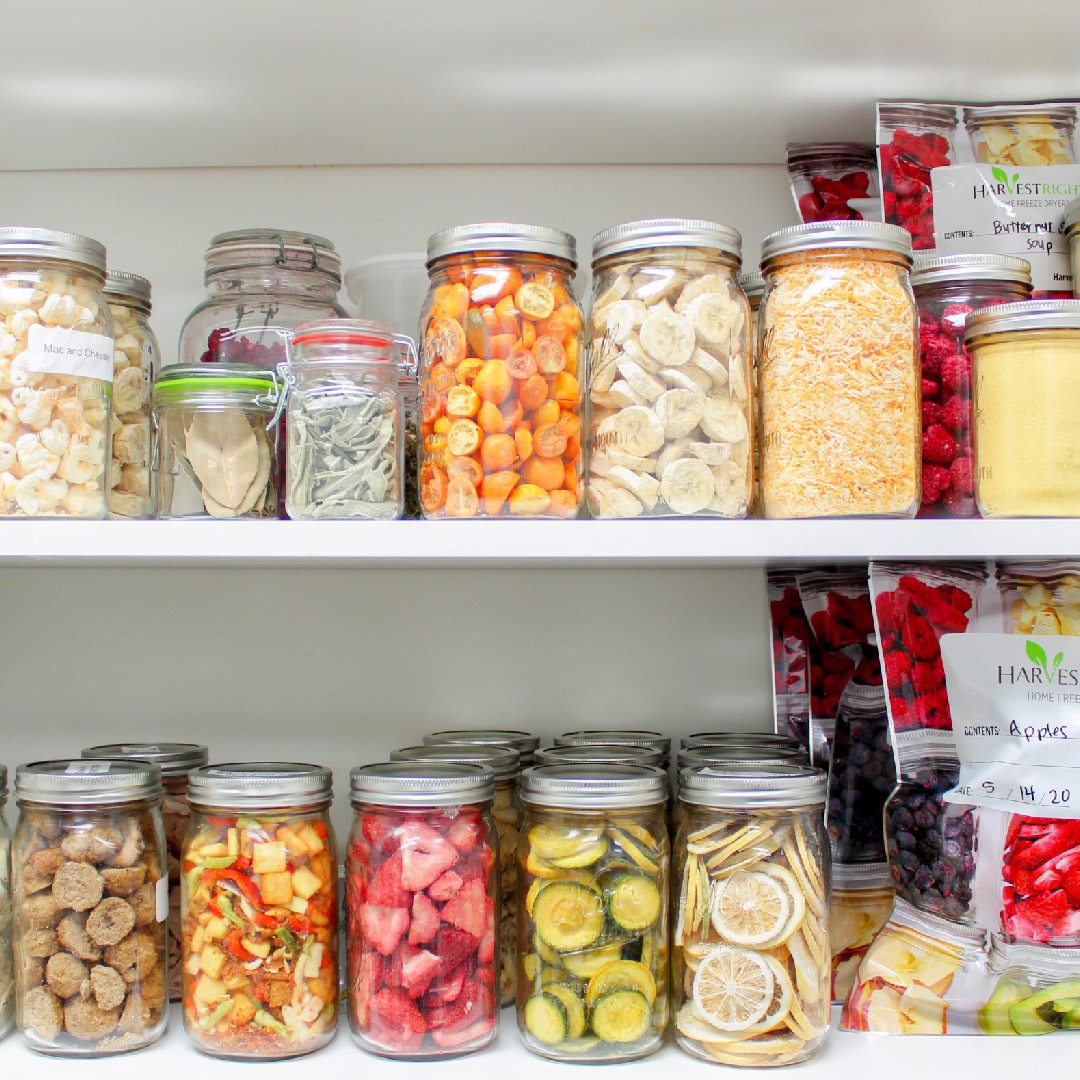
Build a clearly labelled reserve gradually around familiar food that the household knows how to prepare and will rotate.
Store tested meals the household already knows how to prepare and eat.
Add variety and recognizable ingredients to a longer-term pantry plan.
Prepare sauces, cooked ingredients and recipe portions that can be combined later.
Keep clearly marked portions ready for outages, travel disruption or temporary relocation.
More visual ideas
Open any supporting image for a closer view. Hero images remain part of the page design and are not interactive.
More from every batch
From everyday convenience to seasonal preservation, choose the benefits that fit your plans.
A useful reserve begins with familiar recipes, not products nobody has tried.
Regular manageable batches are easier to check, label and rotate than one rushed project.
Clear dates, contents and preparation notes make stored food easier to manage.
From preparation to use
Think through the complete path from food preparation to the way the finished batch will be used.
One familiar family meal prepared as consistent portions.
A checked dry batch that can be divided into useful household servings.
Use packaging suitable for the intended storage plan and label contents, date and instructions.
Rotate the batch through normal household use rather than leaving it untested indefinitely.
A better finished result
Preparation, complete drying and prompt packaging are part of the result. Use the owner documentation and food-handling practices appropriate to the food.
Keep exploring
Choose capacity from a real batch
Compare fresh-food capacity, tray count and available space against one realistic batch.
Regular batches for families, gardens and developing food products.